
Distraction-Free CSIR-NET Coaching Alternatives Compared
Instructors pitching other courses mid-lecture? Compare distraction-free CSIR-NET coaching by promotion frequency, incentive model, and cost.

CSIR-NET aspirants preparing for JRF and Assistant Professor eligibility don't just fight the syllabus, they fight the sales pitch. One aspirant documented getting calls "more than 5-7 times a day" from a coaching platform's sales team while trying to focus on exam prep, and CSIR-NET study communities describe the same pattern showing up inside paid lectures themselves.
The clearest CSIR-NET coaching without course promotions options right now are platforms built around salaried faculty and small, fixed cohorts, not commission-driven educators chasing cross-sells across a marketplace app. Small-batch coaching, curated notes-based resources, and a couple of recorded-lecture channels score better on lecture hygiene, though each still carries its own trade-off in depth, live support, or cost.
This piece scores six commonly recommended CSIR-NET options, including one small-batch alternative, against four lecture-hygiene criteria: how often instructors interrupt teaching to promote unrelated courses (a distraction index built from learner reports), whether an ad-free tier exists, whether faculty are salaried or paid per enrollment they generate, and total cost. It ends with a straight answer on which platform fits distraction-free study, tight budgets, and full-syllabus coverage.
Why In-Lecture Promotion Has Become a CSIR-NET Complaint
Cross-promotion inside a paid lecture isn't a minor annoyance, it's a recurring, documented complaint across CSIR-NET and allied exam communities. Before scoring platforms, it helps to see where the pressure comes from and why some coaching models are structurally more prone to it than others.
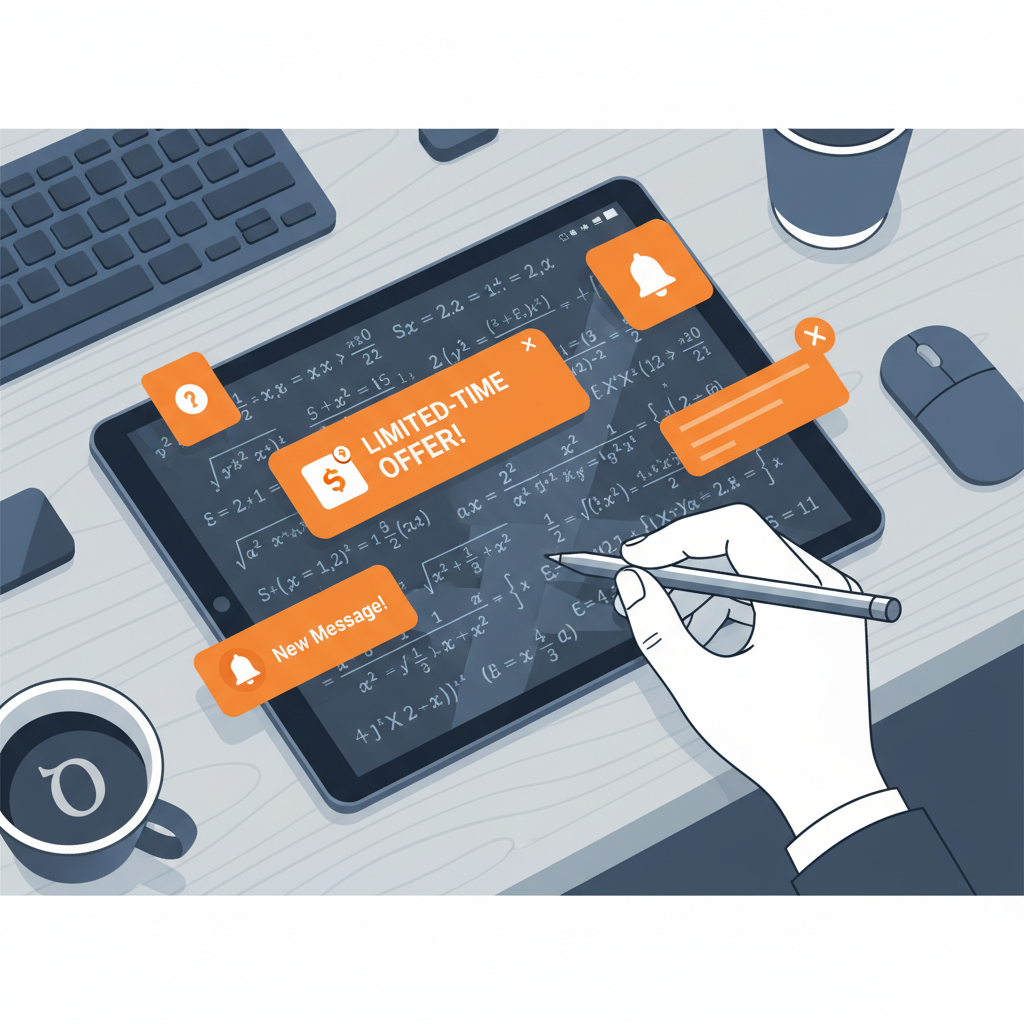
Large multi-course marketplaces run on a hub model: hundreds of educators sell individual batches through one app, and many are paid partly on enrollments they personally drive. That structure creates a direct incentive to mention other paid courses mid-lecture, because an educator's income depends on cross-selling, not only on finishing the current syllabus well. A Reddit thread in the UPSC community captures the aspirant-side frustration with exactly this pattern on one large marketplace app, and a separate LinkedIn complaint describes the calls continuing even after repeated requests to stop, with other users trading tips on blocking call prefixes rather than getting the calls resolved through support.
Free lecture channels have a related but different problem. A published review of CSIR-NET Life Science prep found that "many coaching institutes use YouTube as a marketing tool, providing demo classes to attract potential students," meaning the free lecture is often a teaser for a paid batch rather than full-depth teaching. Formal grievance systems back this up at scale: a platform's own learner grievance report lays out a three-level escalation process for unresolved complaints, a structure that only exists because complaint volume warranted it.
CSIR-NET Coaching Without Course Promotions: A Platform-By-Platform Scorecard
No comparison of large-marketplace alternatives currently scores platforms on lecture hygiene itself, only on price and syllabus coverage. The table below adds that missing dimension: a distraction index built from learner reports, plus the ad-free tier, incentive model, and cost that explain why the distraction happens in the first place.
| Platform | Distraction Index (User-Reported) | Ad-Free Tier | Instructor Incentive Model | Cost |
|---|---|---|---|---|
| Large marketplace coaching app | High: frequent sales calls and in-app promotion reported by learners | Not for free/trial tiers | Largely commission and enrollment-driven for partner educators | Subscription plus per-batch fees |
| Multi-exam subscription app | Medium: marketing-heavy course pages and app upsell prompts, less mid-lecture interruption reported | Limited on free content | Mixed, in-house "Super Teachers" plus affiliate-style promotion | Subscription (SuperCoaching) plus add-ons |
| Free YouTube lecture channel | Medium: free videos often end with links to a paid batch or channel plugs | No, ad-supported by YouTube | Ad revenue and channel monetization, not enrollment-based | Free, paid options vary |
| App-comparison directories | Low: directory listings, not live lectures, so no in-lecture promotion | Not applicable | Not applicable, these are comparison lists, not coaching | Free to browse |
| Static notes and PDF resources | Low: static notes and PDFs carry no live sales pitch | Depends on host site | Not applicable, no live instructor | Free or one-time download fee |
| Small-batch, salaried-faculty coaching | Low: fixed cohort, syllabus-only sessions per learner and educator reports | Yes, on paid batches | Salaried or flat-fee faculty, not paid per referral | Fixed batch fee |
Best for distraction-free learning: small, fixed-cohort programs where faculty are salaried rather than paid on referrals tend to keep lectures on-topic. If that matters more to you than brand size, look at small batch coaching built specifically around that model for CSIR-NET Mathematics.
Best for budget: free resources win on price but not on structure. Free trial lectures and sample material can help you test a platform's teaching style before paying, and free study content or a PDF resource library are reasonable starting points if you're not ready to commit.
Best for comprehensive coverage: large marketplaces still win on sheer volume of recorded lectures and mock tests across every CSIR-NET subject. Whether that trade-off is worth the constant upsell is a personal call, and it's worth reading what coaching is actually worth before assuming more content always means better prep.
Platform by Platform: Where Focus Breaks Down
Each platform in the table above has a different failure mode.

The large-marketplace model means an educator's visibility and income are tied to how many students they can move into paid batches, and that shows up as calls, app notifications, and reported mid-session mentions of other courses. The complaints aren't isolated: a Reddit legal-advice thread walks through filing a National Consumer Helpline complaint over misleading claims, which is a heavier remedy than most learners want to reach for over a lecture interruption. One multi-exam subscription platform's CSIR-NET pages for Mathematics and Life Science read as heavily sales-forward even in their written copy, repeating "best online coaching" and enrollment steps throughout, which suggests the same promotional instinct carries into the product, even if user reports on live-class interruption specifically are thinner than the largest marketplace app's.
Free YouTube lecture channels solve the promotion problem differently: because there's no live sales call, the pitch happens at the start or end of the video instead. That's a lighter form of the same issue, and it means these channels work best as supplementary material rather than a full syllabus plan, since previous year papers alone or scattered free videos rarely cover a subject the way a structured course does.
The quieter alternatives, notes libraries and app-comparison directories, avoid the problem entirely simply because there's no live instructor to incentivize. That's also their limitation: no doubt-clearing, no explanation of a proof step you're stuck on, and no accountability to a schedule. If live doubt support without the sales layer matters to you, a doubt-clearing format built for that is worth comparing directly against a notes-only plan.
Small-batch, salaried-faculty coaching sits at the other end. Because the instructor isn't paid per referral, there's no financial reason to interrupt a derivation to mention another batch. The trade-off is scale: fewer subjects covered simultaneously and a fixed schedule rather than an always-on content library, which is why checking how the batch cycle is structured before enrolling matters more here than it does on a marketplace app.
Get Distraction-Free CSIR-NET Coaching with SBTech Math
If mid-lecture pitches are the reason you're looking for alternatives, the fix isn't a bigger app, it's a different incentive structure. SBTech Math runs small, fixed CSIR-NET Mathematics batches taught by salaried faculty with no enrollment commissions riding on the lecture, so class time stays on the syllabus, not on another sale. If you want to see the teaching style before committing, browse the course store for the current CSIR-NET Mathematics batch, compare the schedule against your own timeline, and start with a smaller commitment rather than a full-year subscription. It's a straightforward way to test whether distraction-free actually feels different once you're in the room.

FAQs on CSIR-NET Coaching Without Course Promotions
What Are the Best Alternatives to Large Marketplace Apps for CSIR-NET Preparation?
Small-batch coaching with salaried faculty, curated notes resources, and select recorded-lecture channels report fewer in-lecture promotions than large marketplace apps, though each trades some scale or live support for that focus.
Which CSIR-NET Coaching Platforms Avoid Interrupting Lectures with Course Promotions?
Platforms where instructors are salaried rather than paid per enrollment report the least in-lecture promotion, since there's no financial incentive to pitch another batch during a live class.
Are Multi-Exam Subscription Apps Less Distracting for CSIR-NET Mathematics?
Some multi-exam subscription apps' marketing copy is promotional, but user reports specifically about mid-lecture interruption are lighter than the largest marketplace app's, which has documented complaints about repeated sales calls and in-app upselling.
Are Free YouTube CSIR-NET Lectures Actually Distraction-free?
Not entirely. Many free lecture videos function as teasers for a paid batch, with promotional links placed at the start or end rather than interrupting the lecture itself.
Does an Instructor's Pay Model Affect Lecture Quality on CSIR-NET Platforms?
Yes. Commission-based pay creates an incentive to cross-sell during lectures, while salaried or flat-fee faculty have no financial reason to interrupt teaching for promotion.
What's the Most Budget-friendly Distraction-free Option for CSIR-NET Prep?
Free notes libraries and sample lecture content cost nothing and carry no live sales pitch, but they lack structured doubt-clearing and full syllabus pacing that a paid batch provides.